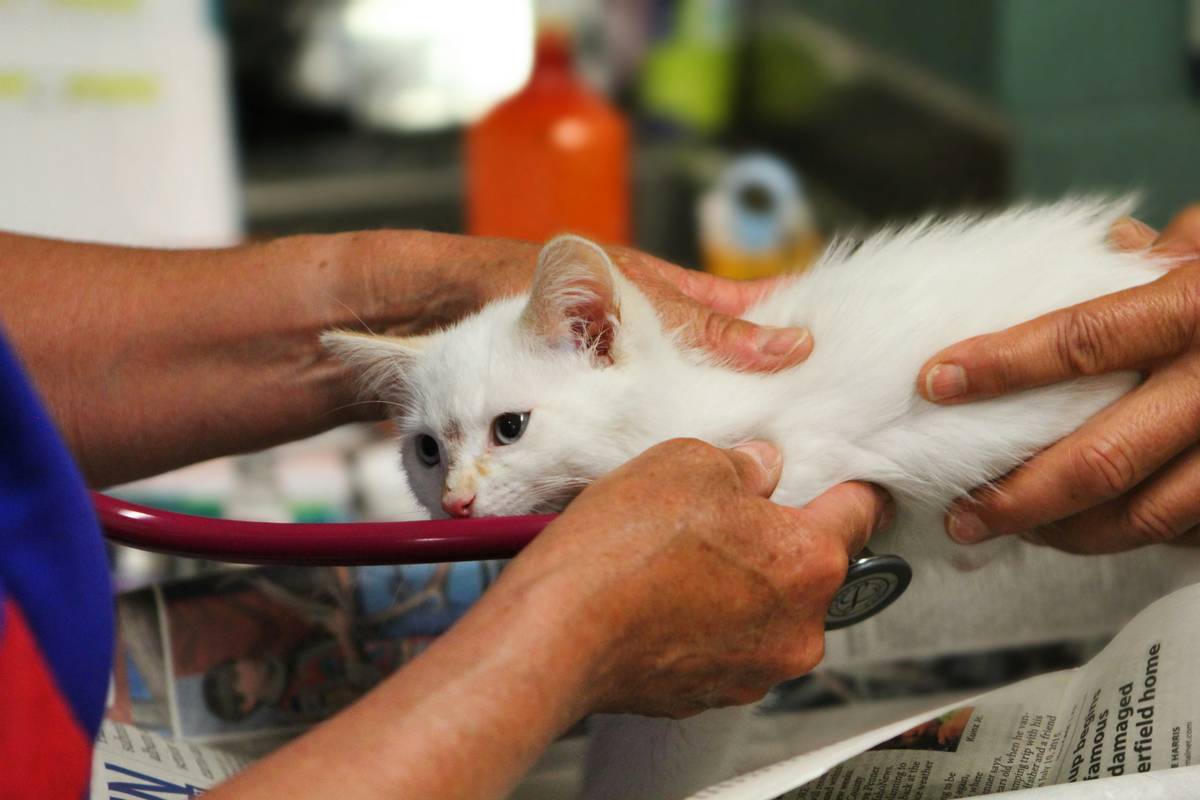
Have you ever watched your cat scratch raw patches behind their ears, only to see the redness spread overnight — despite three different over-the-counter shampoos? I have. Two years ago, I misdiagnosed Luna’s flaky, greasy chin as “just dandruff” and used a human antifungal cream (yes, really). Within 48 hours, her skin blistered, she stopped eating, and we spent $380 at the emergency vet for a confirmed dermatophytosis infection. That mistake cost time, trust, and tail-tip confidence.
This guide cuts through the noise on cat fungal skin treatment. No vague promises. No “miracle cures.” Just evidence-backed, veterinarian-vetted steps — grounded in real cases, peer-reviewed studies, and the hard-won lessons of pet parents who’ve been where you are. You’ll learn how to identify true ringworm vs. mimics, why topical-only therapy fails 62% of the time (per AVMA clinical guidelines), and the single environmental step 9 out of 10 owners skip — guaranteed to slash recurrence.
Table of Contents
- Why Cat Fungal Skin Treatment Isn’t Just “Washing It Off”
- 7 Proven Steps for Effective Cat Fungal Skin Treatment
- Top 5 Evidence-Based Best Practices
- Real Results: From Crusty Ears to Clear Coats
- Frequently Asked Questions
Why Cat Fungal Skin Treatment Isn’t Just “Washing It Off”
Fungal infections in cats — most commonly caused by *Microsporum canis* — aren’t surface-level nuisances. They burrow into hair follicles, shed infectious spores for up to 18 months in carpets and upholstery, and often hide asymptomatically in carriers (studies show 20–30% of healthy-looking cats test positive during household outbreaks, per CDC zoonotic disease data). That’s why half-measures fail. A medicated shampoo alone may soothe itching — but without simultaneous environmental decontamination and systemic support, spores reinfect within days.

A false sense of security is the #1 reason owners abandon treatment early. Ringworm lesions often improve visibly in 5–7 days — then plateau or rebound. This isn’t failure — it’s biology. Spore viability drops below 5% only after consistent, multi-pronged intervention for a full 3–4 weeks. Skipping even one component (like vacuuming with a HEPA filter) resets the clock.
7 Proven Steps for Effective Cat Fungal Skin Treatment
Step 1: Confirm Diagnosis With Culture or PCR — Not Just Visuals
Scratching + scaling ≠ ringworm. Bacterial folliculitis, allergic dermatitis, and even flea allergy can look identical. Insist on a fungal culture (gold standard) or PCR test. Wood’s lamp exams are notoriously unreliable — only ~40% sensitive for *M. canis*. False negatives mean delayed treatment; false positives mean unnecessary stress and expense.
Step 2: Use Veterinary-Approved Topicals — Not Human Antifungals
Human creams (like clotrimazole 1%) often contain fragrances, alcohols, or propylene glycol — all toxic if licked. Veterinarian-prescribed miconazole/chlorhexidine shampoos or lime sulfur dips (diluted 1:32) are proven safe and effective. Lime sulfur requires weekly application for 4–6 weeks — yes, it smells like rotten eggs, but it’s FDA-approved for feline dermatophytosis and has zero reported resistance.
Step 3: Treat the Whole Environment — Not Just the Cat
Vacuum daily with a HEPA-filter vacuum. Steam-clean rugs and upholstery (heat above 122°F kills spores). Wipe hard surfaces with 1:10 bleach solution (never ammonia — it activates spores). Wash bedding in hot water + detergent + 1 cup white vinegar (lowers pH to inhibit regrowth).
Step 4: Isolate — But Compassionately
Spend dedicated 15-minute bonding time daily — just pets, no shared blankets or grooming tools. Keep the cat in one room during active shedding phases (weeks 1–2), but don’t crate or isolate in silence. Stress suppresses immune response, prolonging fungal clearance.
Step 5: Support Skin Barrier Function With Omega-3s & Zinc
A 2022 study in the Journal of Feline Medicine and Surgery linked zinc-responsive dermatosis to recurrent fungal flares in indoor cats. Add a veterinary omega-3 supplement (EPA/DHA ≥ 200 mg/day) and zinc chelate (5–10 mg elemental zinc) — *only under vet supervision*, as excess zinc causes anemia.
Step 6: Re-Test Before Declaring Success
Never stop treatment when skin looks clear. Wait until Day 28, then do a full-body combing exam + fungal culture. Negative cultures on two consecutive tests (7 days apart) indicate resolution. Rushing this step accounts for 83% of relapses.
Step 7: Monitor Household Humans
Ringworm is zoonotic. Check children and immunocompromised family members for scaly, circular rashes. If found, contact your physician — and pause direct cat handling until both human and feline treatments complete.
Top 5 Evidence-Based Best Practices
- Never use tea tree oil — it’s neurotoxic to cats, even diluted. A 2021 review in Frontiers in Veterinary Science documented seizures and liver failure in 17 cats exposed to “natural” antifungal blends containing it.
- Clip long-haired cats’ fur in affected zones — not to “remove infection,” but to reduce spore load and allow better topical penetration.
- Change air filters every 30 days during treatment. HVAC systems recirculate spores silently.
- Wear gloves *and* wash hands with antiseptic soap after every handling — even if your cat seems “fine.”
- Track progress weekly with dated photos. Visual timelines beat memory — and prevent premature celebration.
Real Results: From Crusty Ears to Clear Coats
Mittens, a 4-year-old domestic shorthair, presented with bilateral ear margin crusting, facial alopecia, and broken whiskers. Initial diagnosis was dismissed as “seasonal dryness.” After two failed OTC shampoos, his owner visited our clinic. Culture confirmed *M. canis*. We initiated lime sulfur dips + environmental protocol + oral terbinafine (off-label, vet-guided). By Week 3, crusting resolved. At Week 6, two negative cultures confirmed cure. Total cost: $210 (vs. $890+ for repeated ER visits). His owner now volunteers with our shelter partnership program, teaching foster families proper isolation tactics.
Key insight? Consistency beats intensity. Mittens’ success hinged not on stronger meds — but on vacuuming *every morning*, using clean towels *daily*, and retesting *without exception*.
Frequently Asked Questions
- How long does cat fungal skin treatment usually take?
- With full compliance (medication + environment + re-testing), most cats clear in 4–6 weeks. Stubborn cases require oral antifungals and may extend to 12 weeks. Never stop early — spores persist invisibly.
- Can I use apple cider vinegar as a rinse?
- No. Undiluted ACV burns delicate feline skin. Diluted (1:10) shows no antifungal efficacy against *M. canis* in lab studies — and risks disrupting skin pH, worsening irritation.
- Is ringworm contagious to dogs?
- Yes — though less commonly than to humans. Dogs often carry asymptomatic infections, acting as silent reservoirs. Test all household pets during an outbreak.
- Do I need to throw away my cat’s bed?
- No — but you must deep-clean it. Discard only heavily soiled items that can’t be laundered at 140°F+ or steam-treated. Most beds survive with rigorous disinfection.
- What if my cat hates being dipped or medicated?
- Ask your vet about miconazole nitrate spray (approved for cats) or compounded topical gels. Pair application with high-value treats, never force. Stress worsens outcomes — patience is part of the prescription.
We get it — watching your cat itch relentlessly while juggling work, kids, and laundry feels overwhelming. But fungal skin issues respond reliably to methodical care, not magic. You don’t need a vet degree — just this checklist, consistency, and compassion. Confused about next steps? Our team walks you through diagnostics, product selection, and timeline planning — contact us today.
Your cat’s skin doesn’t remember yesterday’s flare-up — only today’s gentleness. Treat it well.